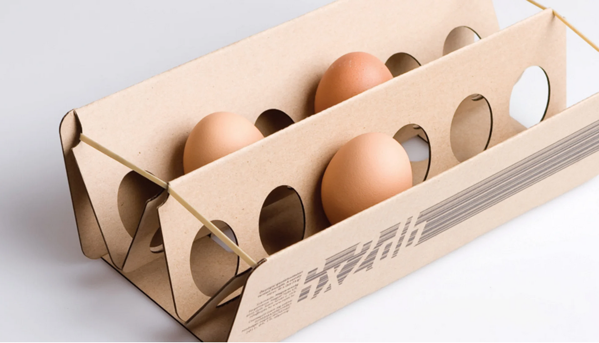
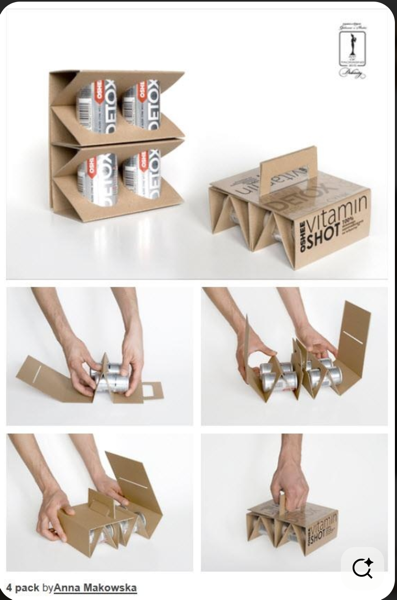
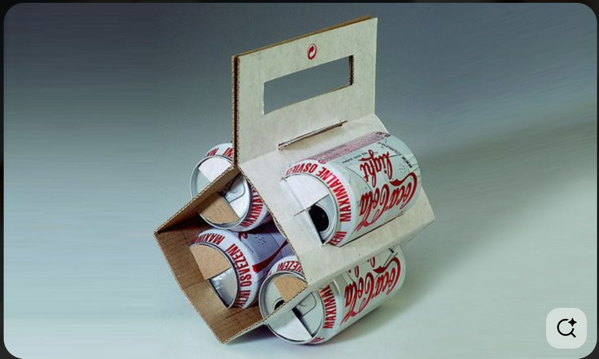
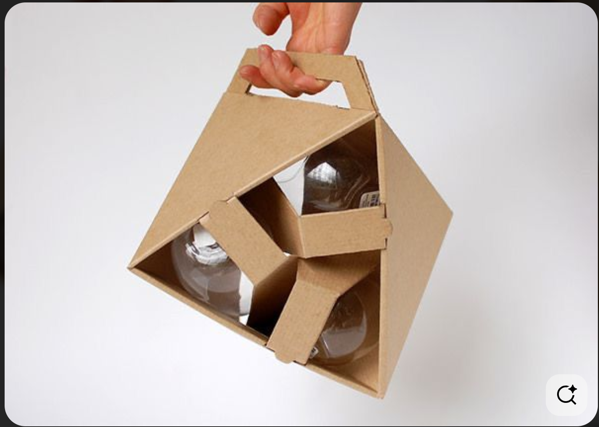
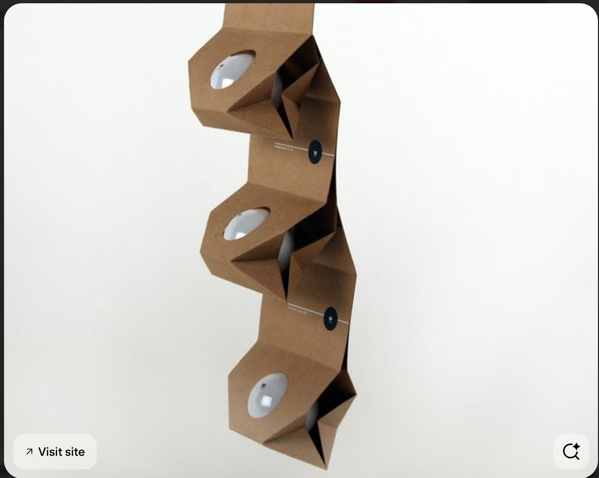
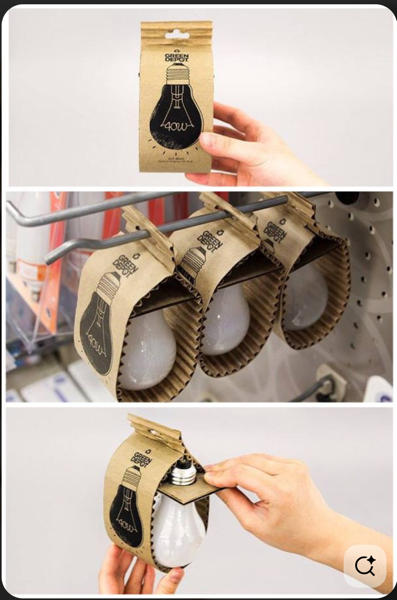
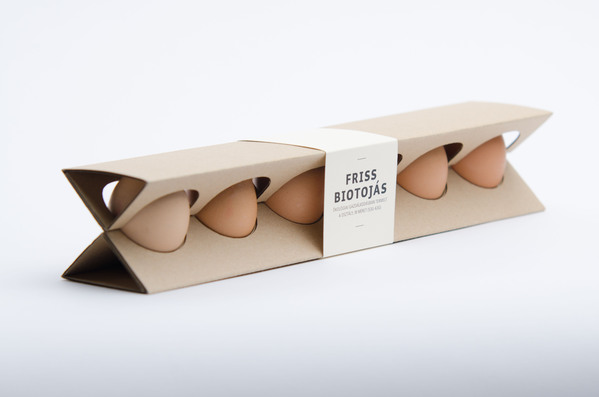
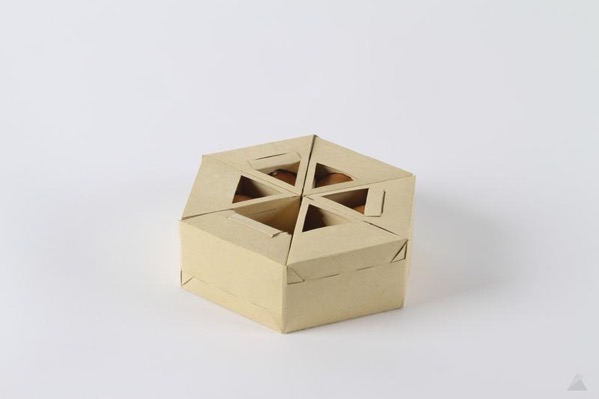
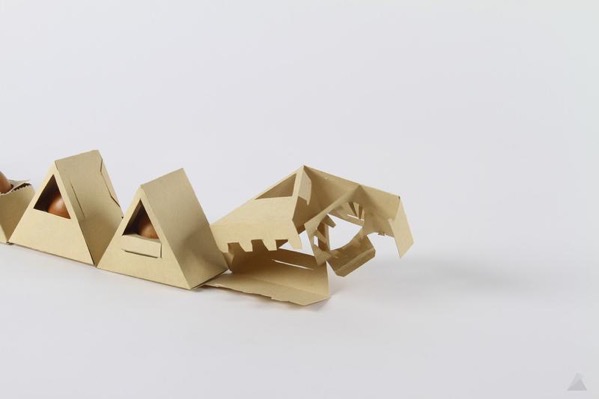
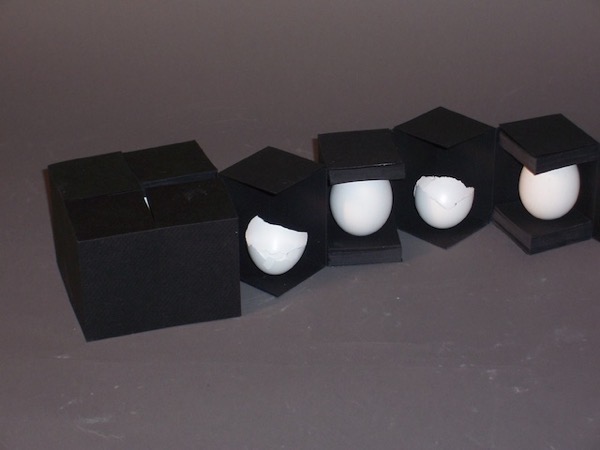
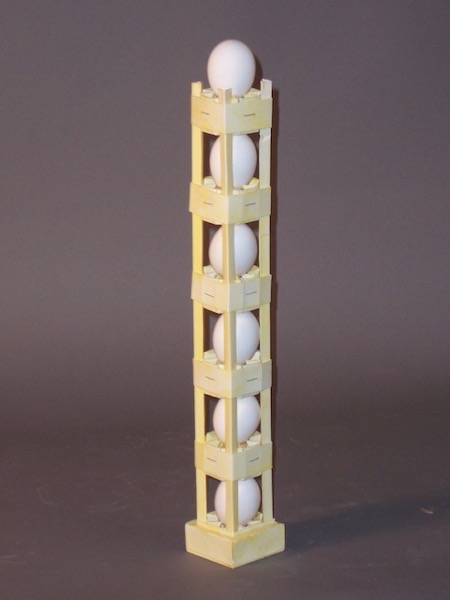
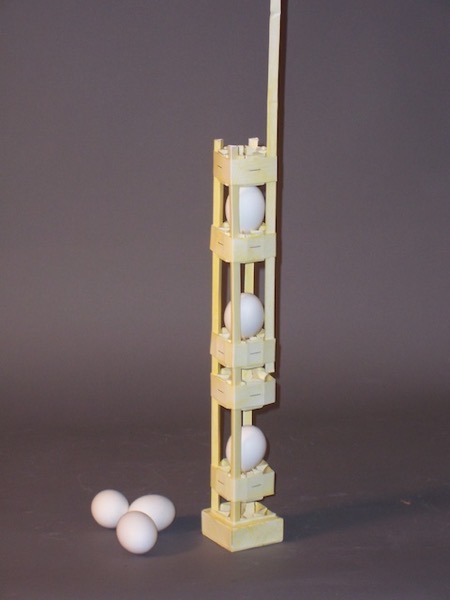
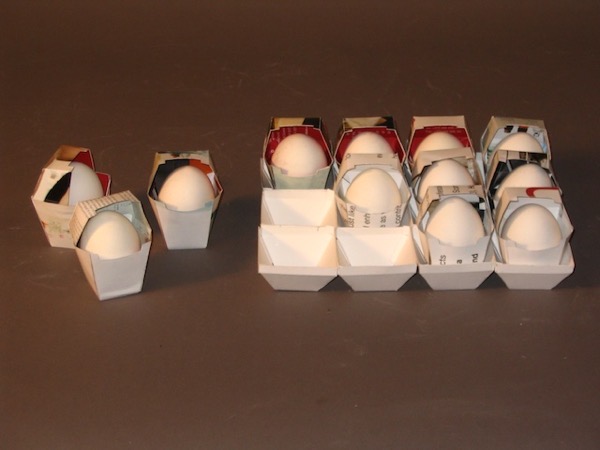
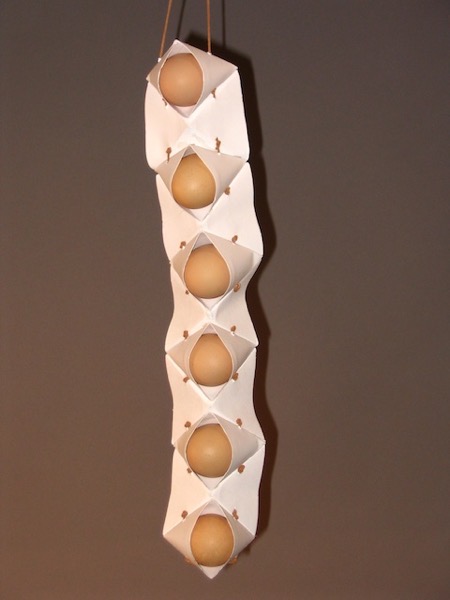
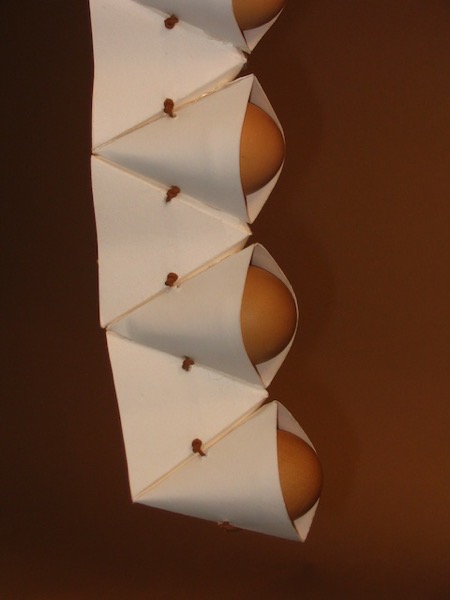
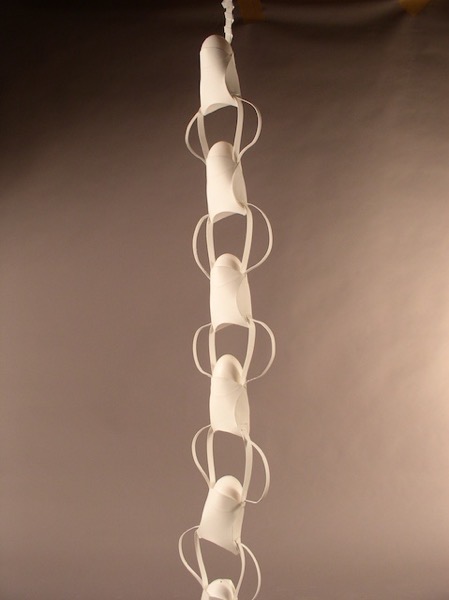
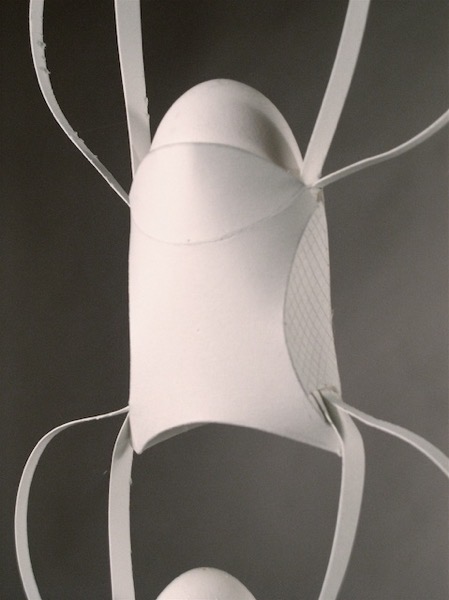
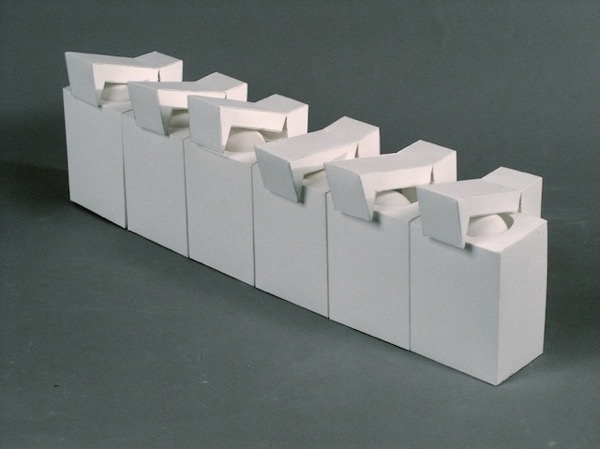
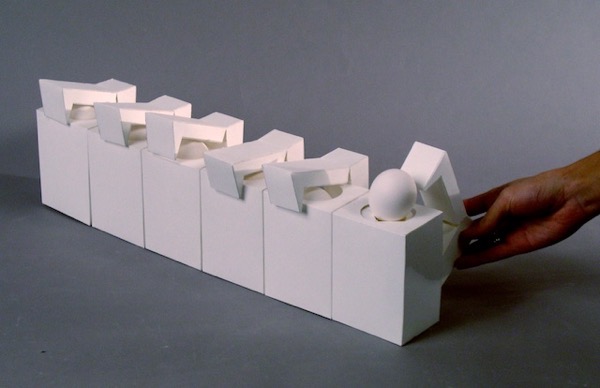
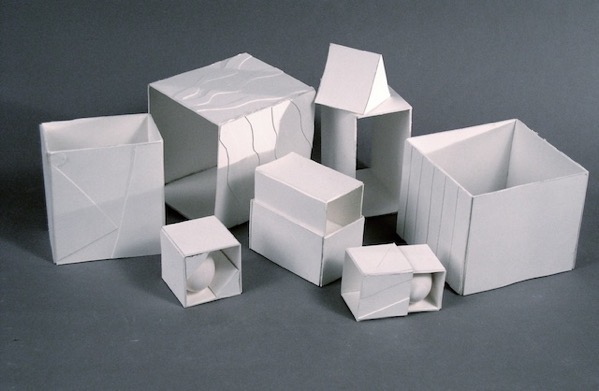
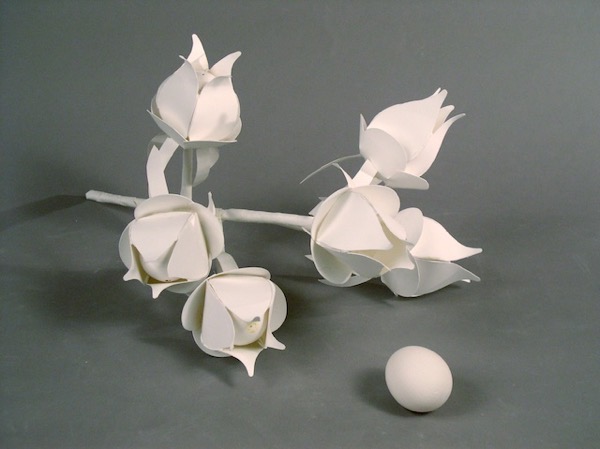
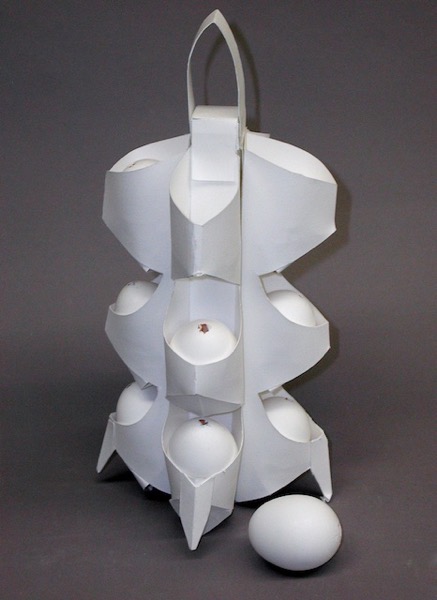
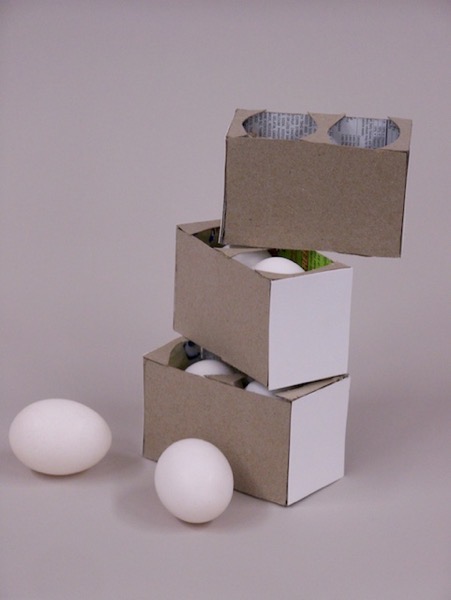
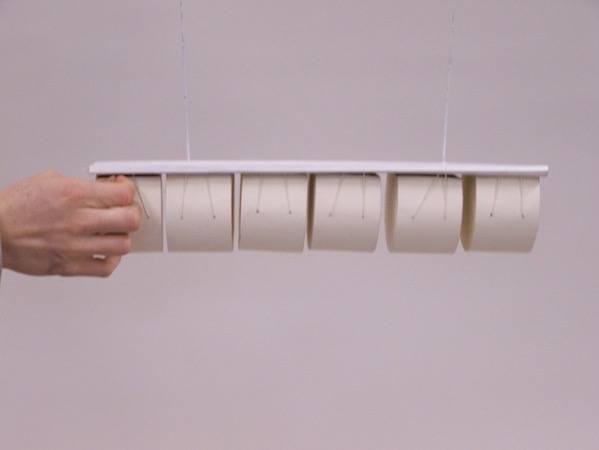
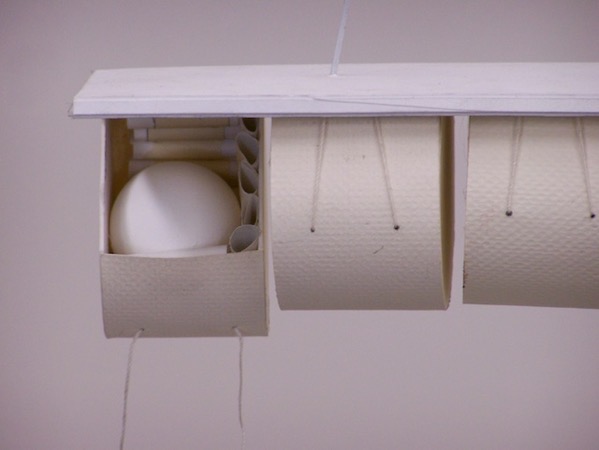
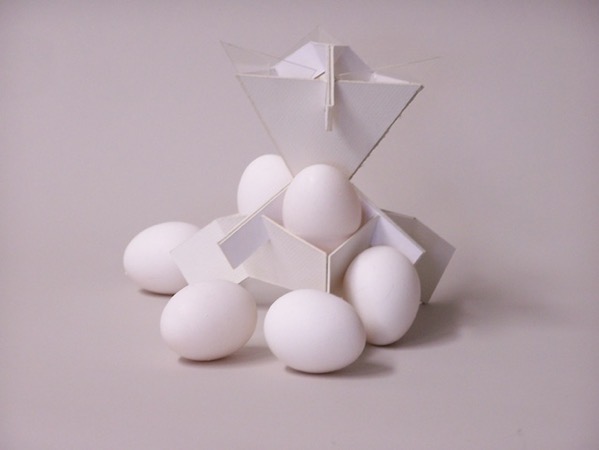
In this project you will be making an egg container that holds 3 eggs.
The box can completely enclose the eggs or hold them and leave the eggs partly visible. The box must support the weight of the eggs, so structure matters. The design should be unique, so no cubes or rectangular boxes. The eggs must be secure yet accessible, so the box should be able to move, either by folding, sliding, swinging, opening, or flexing.
You will use chipbord as your paper
Some questions to ask:
How is the box itself stored? Does it fold, stack, or collapse?
Is there an overriding design theme, i.e. repetition, balance, etc.?
If the box is fully closed, how are the objects revealed as the user opens it?
What, if any, is the surface treatment?
What kind of clue does the shape of the box give as to what is inside it?
What are the defining qualities of my inspiration and how can I incorporate them into my design?
The goals of the design are:
Economy of form and material
Security and accessibility
Effective engineering
Innovative use of material
Remember, paper can be folded, scored, cut, bent, twisted, scraped, balled, glued, stapled, tabbed, laminated, wrapped, twisted, or manipulated in any number or combination of ways. Paper can form any 3-D shape except a true sphere, and even that can be approximated. You will be working with chipboard and laser cut forms, but you can add hand-crafted elements to the container as well, as long as the additions are made from the chipboard.
Use the skills you learned from the first project to think through this design problem. How can those techniques be used to define a negative space where an egg can fit? What are interesting ways in which egg hoding modules can fit together? How can you cut openings to see the egg and fold chipboard to increse strenth and rigidity?
Steps
Part One: In-Class Exercise
Create a stand for a single egg using chipboard in one of the structural approaches discussed in class. This is a focused study in support, balance, and contact.
Part Two: Sketches and Idea Iteration
Begin developing your solution by sketching and building quick paper models directly with your eggs. Test ideas rapidly and refine them.
Part Three: Prototype
Build your prototype out of chipboard. This should be a functional full-scale version that addresses structure, access, and containment.
Part Four: Digital Files
Measure your prototype carefully and translate it into precise digital drawings that account for material thickness and assembly.
Part Five: Final Fabrication
Laser cut and assemble the final container. Test it with real eggs and make adjustments as needed so it performs as intended while maintaining the integrity of your original concept.
Inspiration: